
Now Reading: 18 Essential Books for Stock Market Investors and Traders
-
01
18 Essential Books for Stock Market Investors and Traders
18 Essential Books for Stock Market Investors and Traders

This winter, you can sharpen your investing edge with a curated collection of practical books and tools that cover everything from microcap hunting to technical charting and recession-proof strategies. Whether you want to build a long-term ISA portfolio, learn price action, or add disciplined trade rules to your routine, these titles give you step-by-step methods, clear examples and perspectives tailored for UK investors. Expect actionable frameworks, real-world case studies and accessible explanations that can help you spot opportunities, manage risk and make smarter decisions across market cycles.
Top Picks
|
Category |
Product |
Price |
Score |
|---|---|---|---|
|
🏆 Best Overall |
£15.29 |
98 |
|
|
💰 Best Value |
£4.96 |
86 |
|
|
⚡ Best Active Trading |
£64.77 |
90 |
|
|
🧭 Best Beginner Guide |
£12.79 |
86 |
|
|
🔧 Best All-In-One |
£39.95 |
90 |
|
|
📊 Best Advanced TA |
£7.49 |
88 |
|
|
📚 Best Fundamentals |
£9.99 |
80 |
|
|
🏅 Best Performance Strategy |
£17.26 |
94 |
|
|
📎 Best Quick Tips |
£2.29 |
88 |
|
|
📈 Best Charting Primer |
£10.99 |
84 |
How We Picked These Reads
You want books and tools that actually move your trading or investing forward, so we focused on practical value: clear frameworks, real examples, and repeatable strategies. We balanced recommendations across experience levels (beginner → advanced), emphasised UK relevance where applicable, and checked reader ratings and recent publication dates so the guidance is up to date. Price and accessibility mattered too — if a concise guide saves you months of trial and error, it earns a spot. Finally, we looked for books that teach risk management and decision processes you can apply to ISAs, SIPPs, day trading or longer-term portfolios.
🏆 Best Overall

Microcap Millionaire
You’ll find this book refreshingly practical — it lays out a three-step system for finding microcap opportunities, sizing positions and protecting yourself from big losses. Read a chapter in the morning before you check the market or dip into the portfolio-management sections when you’re rebalancing an ISA. It’s full of real examples and plain language, so you can take something useful away whether you’re studying for 15 minutes a day or doing a full strategy review. If you want a focused, repeatable way to approach smaller stocks without the usual hype, this is a friendly, hands-on guide you can use straight away.
What People Say
Readers consistently highlight the book’s actionable three-step system and the focus on protecting capital. Many find the portfolio-management advice — running winners and cutting losses — immediately usable in a stocks and shares ISA or casual trading account.
Overall Sentiment: Positive

🗣️ Tom
This book gives a clear, three-step system for finding and investing in microcap companies most people ignore. The advice is practical, easy to follow and grounded in real examples, with a strong focus on discipline and risk management.
🗣️ Scott G
Written in a no-nonsense style that’s easy to digest. Practical advice on portfolio management — running with winners and minimising losses — plus a personal journey that adds useful context to the methods.
What You Learn
You learn how to identify smaller companies with upside, how to size and protect positions, and how to manage a portfolio through both rallies and downturns. The book mixes strategic rules with examples so you can practise the method rather than just read theory.
Skill Level
All levels (beginner to experienced)
Pace
Quick-to-read chapters with practical takeaways you can apply the same day
What You Get
- A clear three-step framework you can follow
- Practical risk-management and position-sizing guidance
- Real-world examples showing what worked and what didn’t
- Accessible writing that suits quick daily reads or deeper study
Current Price: £15.29
Rating: 4.9 (total: 169+)
💰 Best Value

Technical Masterclass
You’ll find this book friendly and no-nonsense: it walks you through the basics of technical analysis, chart anatomy and trading psychology in a way you can actually use. Read one chapter before the market opens to sharpen your eye for support and resistance, or pull out the pattern sections when planning a bigger trade.
The authors mix concrete examples with clear strategy steps, so whether you’re brushing up between jobs or doing a focused weekend study session, you’ll leave with practical ideas you can test straight away. If you want a solid, affordable primer that gets you reading charts rather than memorising rules, this is a sensible pick.
What People Say
Readers praise the book’s practical focus: it teaches you how to read charts, spot traps, and apply indicators without overcomplicating things. Many note it’s especially useful for beginners moving into intermediate trading and for anyone who prefers examples over theory.
Overall Sentiment: Positive

🗣️ Mohan
Whoa — what a book. The author takes you through technical analysis like a guide, then recommends a three-pass reading method (read once as a story, read again with notes and charts, then review your notes). It’s practical, teaches pattern recognition and explains how emotions influence price moves.
🗣️ Konstantinos
Packed with useful chapters: candlestick analysis, chart anatomy and indicator use. It doesn’t promise magic, but it gives tools to be a little more confident when you analyse a chart — great if you’re starting out and want concrete examples.
What You Learn
You’ll learn to identify candlestick patterns, draw support and resistance, interpret common indicators and build a repeatable approach. The book emphasises learning by doing, with examples and a suggested reading method to reinforce pattern recognition and trading psychology.
Skill Level
Beginner to intermediate
Pace
Short, focused chapters you can read in a single sitting and apply the same day
What You Get
- Clear, hands-on explanation of chart patterns and candlesticks
- Practical strategy steps you can test on real charts
- Covers trader psychology so you read price action with context
- Short chapters make it easy to read daily or during deeper study
Current Price: £4.96
Rating: 4.3 (total: 5156+)
⚡ Best Active Trading
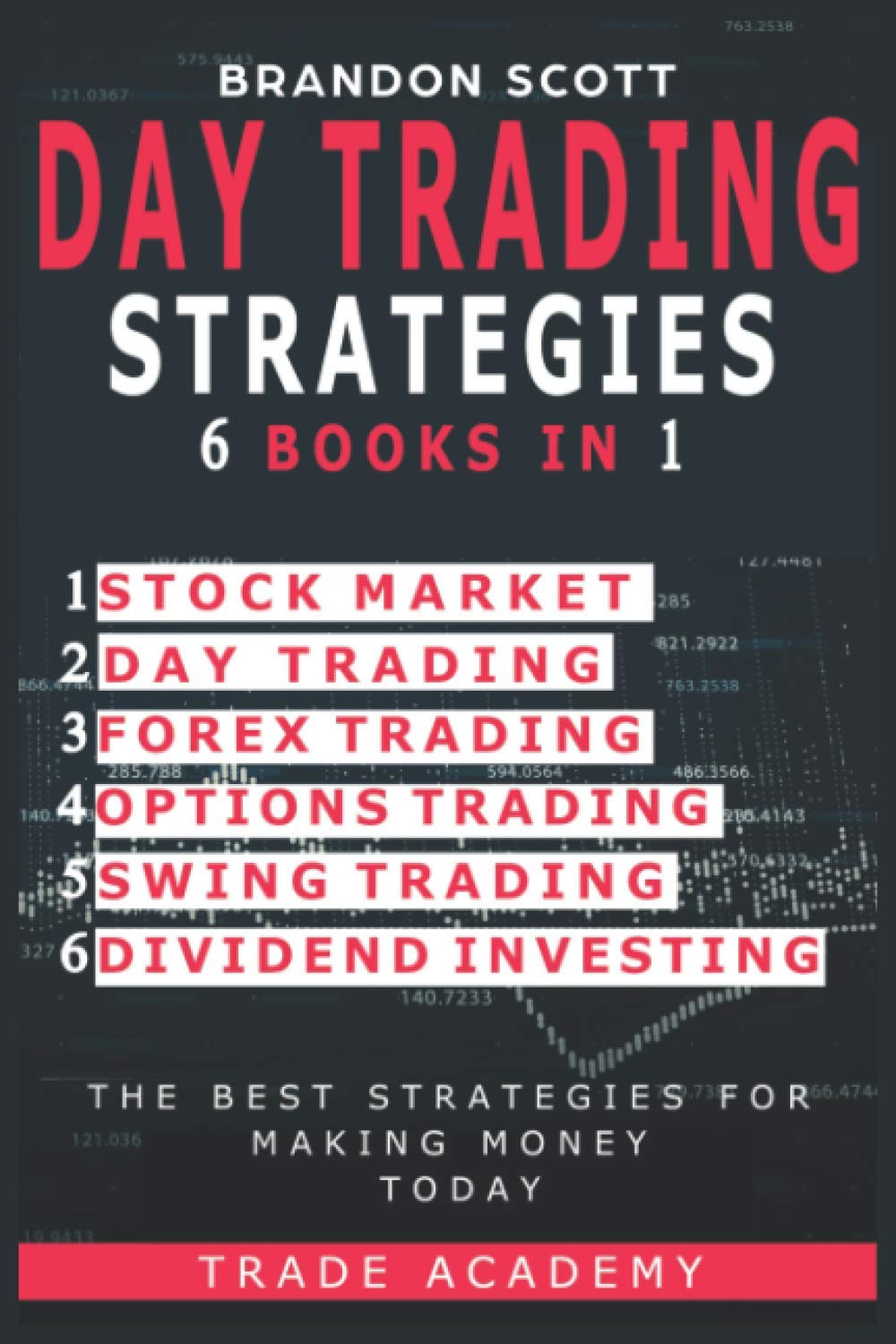
Day Trading Strategies
You’ll find this collection straightforward and action-focused: it breaks complex ideas into steps you can follow, whether you’re learning how to buy your first stock or testing a day-trading setup. Use a chapter before the session to sharpen your screen-time decisions, or set aside a weekend to work through the options and dividend sections.
It’s long enough (paperback 515 pages) to be comprehensive, but written so you can pick practical bits to try in a single trading day. If you want a single volume that covers both income and active trading techniques without assuming prior expertise, this is a useful place to start.
What People Say
Readers highlight how approachable the writing is and that the book makes trading concepts feel doable. Many note it’s useful if you want a broad toolkit — from buying your first stock to testing short-term strategies.
Overall Sentiment: Positive

🗣️ dennis pease
This book is very easy to read. I really appreciate this book.
What You Learn
You’ll learn stock-market basics, how to buy your first shares, dividend income strategies, day- and swing-trading techniques, and introductory options trading. The book emphasises practical steps you can try on demo accounts or small live positions.
Skill Level
Beginner to intermediate
Pace
Comprehensive but approachable — expect to work through core sections over a few weekends, with individual chapters you can apply the same day
What You Get
- Covers both trading and investing strategies in one collection
- Step-by-step explanations suitable for beginners
- Practical sections on dividends, options and swing/day trading
- Readable format that lets you pick chapters for quick study
Current Price: £64.77
Rating: 4.5 (total: 36+)
🧭 Best Beginner Guide

World’s Simplest Guide
You’ll find this book approachable and friendly — it breaks down why companies exist, how stocks work and what moves prices without drowning you in jargon. Read a chapter on your commute to pick up a practical nugget, use a weekend to work through the fundamentals before opening an ISA, or skim it again if you want a quick refresher before a meeting. The author uses real-world examples from professional experience, so the lessons feel relevant whether you’re just curious or about to make your first trade. If you want a gentle, sensible start that builds confidence, this is a helpful place to begin.
What People Say
Readers praise how approachable and practical the writing is — many say it made previously confusing topics click and gave them the confidence to have real conversations about investing.
Overall Sentiment: Positive

🗣️ Brad
This is a great user-friendly book for all levels of those interested in the stock market. I’ve been an investor for years, and find this book gives all levels of knowledge on all aspects of the stock market, with very user-friendly clarifications of the various aspects of it.
🗣️ Lori
I never thought I would be able to understand the stock market, but thanks to this book I now do. It’s a quick read that gets into the nitty-gritty while still keeping it simple, so you walk away with an understanding you can retain.
What You Learn
You’ll learn what companies and stocks are, how exchanges and indexes work, what drives price movement, and basic steps to start investing. The book focuses on practical understanding rather than theory-heavy models.
Skill Level
Beginner
Pace
Quick and digestible — core ideas can be absorbed in a few hours, with deeper clarity after a full read over a weekend
What You Get
- Clear, plain-language explanations of core stock-market concepts
- Real-world examples from the author’s industry experience
- Short chapters you can read in a commute or a weekend session
- Good both as a first read and as a quick refresher
Current Price: £12.79
Rating: 4.3 (total: 32+)
🔧 Best All-In-One
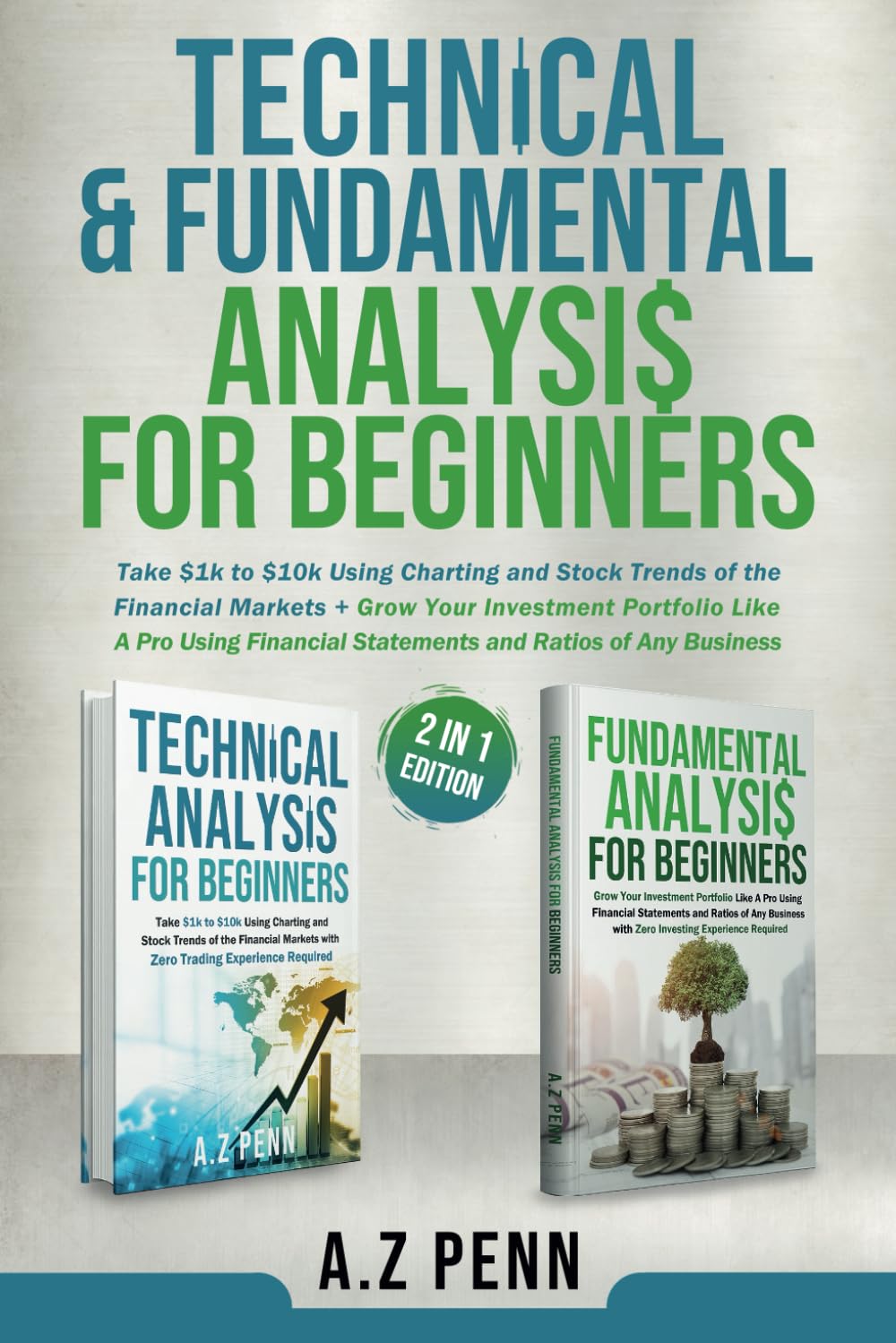
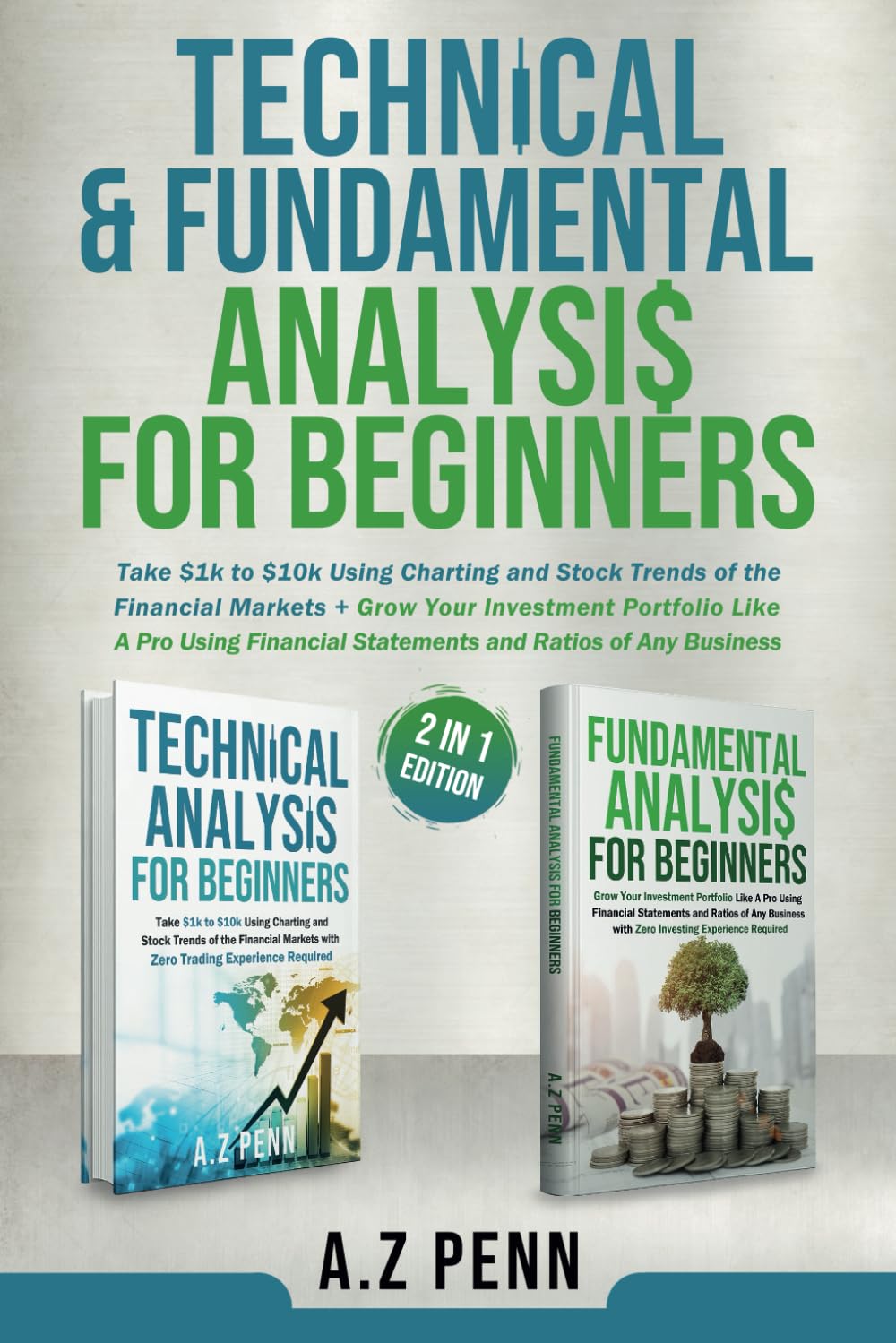
Tech & Fundamental
You get a friendly, no-nonsense guide that pairs chart trading with company analysis. Read a chapter on your commute to pick up a charting trick, use an evening to work through valuation basics before opening an ISA, or consult the book when you’re weighing up a bigger buy. It’s written in plain English, breaks complex ideas into short, usable sections and includes real examples so you can start applying the lessons straight away.
If you want one resource that covers both day-to-day chart techniques and the longer-term fundamentals, this bundle makes that practical and approachable.
What People Say
Readers like how the two-part format covers both approaches clearly, praising the accessible tone, practical examples and chapter structure that makes revisiting topics easy.
Overall Sentiment: Positive

🗣️ Aidan Beckley
Both books concisely cover the two types of analysis in a way that’s accessible for beginners but still useful to more experienced readers. Ideal for anyone wanting to learn both fundamentals and technicals.
🗣️ Lorna Smart Wordcrafter
The author breaks tricky subjects into digestible portions with a friendly tone, sensible chapter lengths and clear headings that make it easy to return to topics later.
What You Learn
You’ll learn how to read charts and use technical indicators, plus how to analyse financial reports, spot valuation signals and combine both methods to make more informed trades and investments.
Skill Level
Beginner to Intermediate
Pace
Digestible — core ideas can be picked up in short sessions; deeper strategies come together after a full read and practical application.
What You Get
- Two books in one: technical charting and fundamental company analysis together
- Plain-language explanations with concrete examples
- Short, digestible chapters you can read in a commute or an evening
- Practical strategies you can apply to both short-term trading and long-term investing
Current Price: £39.95
Rating: 4.5 (total: 55+)
📊 Best Advanced TA

Wyckoff 2.0
You’ll find a hands-on, advanced playbook that shows how price structure and volume interact in real markets. The book walks you through volume profile, order flow, dark pools and order-matching mechanics, then uses those pieces to help you build repeatable entries, position plans and trade management rules.
Read a chapter during your morning prep to sharpen intraday setups, or sit down to map a bigger position and risk plan before a major trade — it works for day-to-day routine and those special decision moments. If you already know the basics and want to move to a professional, volume-driven approach, this is a very practical next step.
What People Say
Readers praise strong market-structure insights and volume-profile tools that they’ve been able to apply in real analysis; a few note editing issues or promotional content for paid courses.
Overall Sentiment: Positive

🗣️ I. Jones
This third book … shows you how to build your own trading strategy based on these tools. I recommend this book and the others in the series because for about sixty-five quid you are getting a training course that others are charging four figures for.
🗣️ Valdis Lusis
Having been an on/off student of Tom Williams and VSA since 1989, I found Ruben’s Wyckoff work and in particular his explanations of Volume Profile a powerful addition to my trade entry points. In summary, no Wyckoff/VSA trader should be without Ruben’s books.
What You Learn
You’ll learn advanced concepts: volume profile, order flow patterns, how order matching works, dark-pool context, value-area trading and position management — enough to refine entries and build a tested strategy.
Skill Level
Advanced (best with prior Wyckoff basics)
Pace
Dense — core ideas need study and chart work; expect to apply examples over several sessions rather than skim in one sitting.
What You Get
- Practical merge of Wyckoff structure with volume profile and order flow
- Step-by-step guidance to build your own trading strategy
- Real-world examples you can apply to daily setups and major trades
- Good value compared with commercial training courses
Current Price: £7.49
Rating: 4.4 (total: 371+)
📚 Best Fundamentals
Fundamental Essentials
You get a friendly, step-by-step guide to valuing businesses rather than guessing at prices. The book walks you through the three core financial statements, the key ratios that matter, and simple valuation methods you can use when researching a stock.
Read a chapter during your morning review to check current holdings, or work through the valuation exercises before making a new buy — it’s useful for everyday portfolio upkeep and for those bigger, one-off research sessions. If you want to move from following hot tips to making decisions based on numbers, this is a solid, practical place to start.
What People Say
Readers appreciate the book’s clarity and real-world examples, saying it turns financial statements from a sea of numbers into usable signals; a few note it’s concise rather than exhaustive.
Overall Sentiment: Positive

🗣️ Joyce qq
A comprehensive guide that lays out a step-by-step approach to assessing a company’s value, reading financial statements, performing ratio calculations and setting buy targets — practical and accessible for independent investors.
🗣️ Mich 184
The author includes real examples (Coca‑Cola and Amazon) that bring ratios and numbers to life, making the techniques easy to practise rather than just read about.
What You Learn
You’ll learn to interpret income statements, balance sheets and cash-flow statements, calculate essential profitability and valuation ratios, spot common investing mistakes and build simple valuation models you can apply to real stocks.
Skill Level
Beginner to intermediate (great first deep dive for self-directed investors)
Pace
Straightforward — chapters are short enough to read in an evening, with exercises you can apply over a few practice sessions.
What You Get
- Clear, practical steps to value a company and set buy targets
- Teaches how to read the three main financial statements
- Covers the key ratios you’ll actually use when analysing stocks
- Includes real-company examples and hands-on exercises
Current Price: £9.99
Rating: 4.0 (total: 72+)
🏅 Best Performance Strategy

Stock Market Wizard
If you want a practical, no-nonsense playbook for beating the market, this is the one to read. You get a step-by-step approach (SEPA) for spotting low-risk breakouts, deciding when to buy and where to place stops, plus lots of chart examples and case studies. Read a chapter during your morning review to sharpen trade ideas, or work through the SEPA checklist before placing a new position — it works for everyday trade selection and for deeper, weekend research sessions.
If you’re serious about improving returns and prefer rules over guesswork, you’ll find this both challenging and rewarding.
What People Say
Readers praise the book for actionable rules (entry checklist, stage analysis, volume cues) and say it translated directly into better trade discipline and clearer screening criteria.
Overall Sentiment: Positive

🗣️ G Singh
This book helped me clear the bits missing from my system and add filters that let me aim for double-digit annual returns — practical rules, examples and an ‘ah‑ha’ moment that tied things together for me.
🗣️ Helping Children
Packed with usable tactics: a 5‑point Specific Entry Point Analysis, clear guidance on trading in Stage 2 uptrends, and a good discussion of volume, fundamentals and risk management — I took seven pages of hand‑written notes.
What You Learn
You’ll learn Specific Entry Point Analysis (SEPA), how to read base structures and breakouts, what fundamentals to prioritise for growth stocks, and practical risk management steps you can apply immediately.
Skill Level
Intermediate to advanced (best if you want a rule-based system and have some charting experience)
Pace
Dense but usable — chapters are full of examples so expect to reread and practise the checklists over several sessions.
What You Get
- A clear, repeatable SEPA framework for timing entries and exits
- Practical mix of technical price/volume rules and focused fundamental checks
- Plenty of real trade examples and chart studies to learn from
- Risk-first approach that emphasises stop placement and capital preservation
Current Price: £17.26
Rating: 4.7 (total: 2939+)
📎 Best Quick Tips

Little Black Book
Think of this as a pocket manual you can actually use. It’s short, focused and written so you can take a tactic into the market the same day.
You’ll get clear rules for spotting market leaders, using RSI and Stochastics in different environments, and simple advice on trading in bear markets. Read a chapter during your morning review, keep it handy when you’re scanning stocks, or use it as a quick refresher before a trading session — it’s designed for busy traders who want practical, no‑fluff guidance.
What People Say
Readers appreciate the concise format and real‑world tips — it’s useful as a quick reference and a starting point for building simple, repeatable trading habits.
Overall Sentiment: Positive

🗣️ Client Amazon
In this short format (50–75 pages) Kratter is very efficient — no lengthy intros, straight to the point. Good to review strategies, implement new aspects and adapt them as you progress.
🗣️ Alex Tie Sing Fong
Summarises the necessary steps to become a successful trader: technical and basic theory, self‑discipline and recognising your own failures — a useful, experience‑driven overview.
What You Learn
You’ll learn how to spot leaders, read momentum indicators (RSI, Stochastics) in context, tell bull from bear markets, and develop the discipline and routines that help turn ideas into repeatable actions.
Skill Level
Beginner to intermediate (great if you want straightforward rules without heavy theory)
Pace
Fast and punchy — intended for quick consumption so you can apply techniques immediately.
What You Get
- Short, actionable chapters you can read in a sitting
- Clear rules for identifying market leaders and trend context
- Practical use of RSI and Stochastics across market conditions
- Mindset and routine tips to treat trading like a business
- Very affordable and available on Kindle Unlimited
Current Price: £2.29
Rating: 4.4 (total: 1135+)
📈 Best Charting Primer

Only TA Book
If you want a straightforward guide to charting, this book reads like a coach sitting beside you. It walks you through six core indicators, chart patterns and candlestick use in plain terms so you can actually apply them when you scan stocks.
Use it for your daily routine — a chapter during morning prep or a refresher before a trading session — and keep it handy when you’re planning trades around events like earnings or market swings. It’s practical, focused and written so you can start testing ideas without getting lost in theory.
What People Say
Readers praise the clarity and practical focus — many say it helped them apply indicators and build strategies — though a few note the charts are small or low contrast in some editions.
Overall Sentiment: Positive

🗣️ AESLA
Detailed, practical and easy to follow — the author breaks complex concepts into clear steps, with case studies and real‑world strategies that make the theory usable in your own trading.
🗣️ Tamara T
A deep dive that improves your game: clear explanations, chapter takeaways and visual aids that support the concepts and help you put techniques into practice.
What You Learn
You’ll learn to read charts, use six proven indicators, interpret candlestick patterns, design simple strategies and apply basic risk management so your trades are more systematic.
Skill Level
Beginner to intermediate (best once you’ve covered the basics)
Pace
Steady and practical — meant to build reliable skills rather than promise quick wins.
What You Get
- Six core technical indicators explained in actionable terms
- Clear guidance on reading chart patterns and candlesticks
- Real‑world trading strategies and case studies
- Chapters with key takeaways to reinforce learning
- Essential risk management steps to limit losses
- Useful for both day traders and longer‑term investors
Current Price: £10.99
Rating: 4.2 (total: 548+)
🛡️ Best Downturn Guide
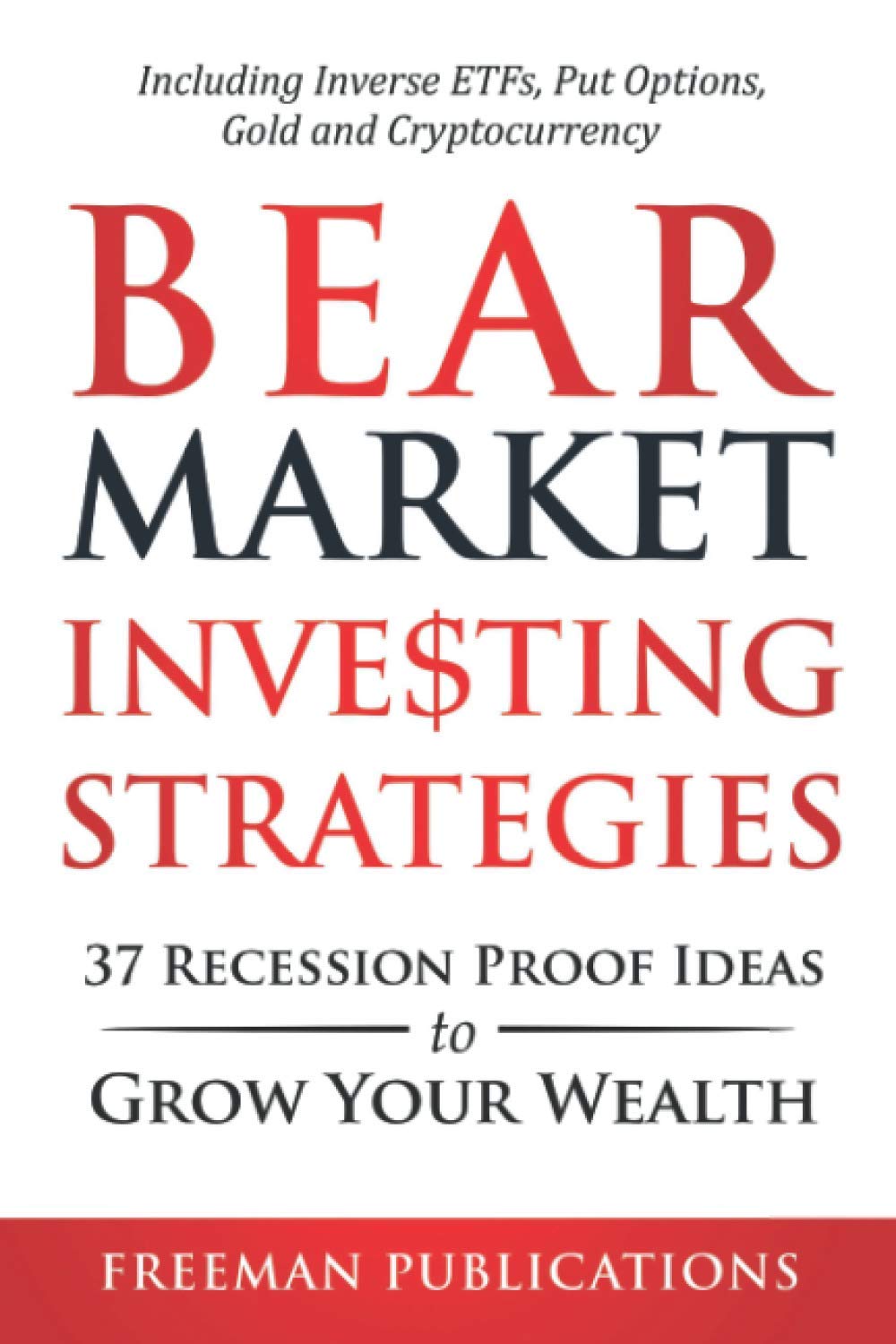
Bear Market Strategies
If you want a clear, practical playbook for when markets turn south, this book reads like a calm voice in the room. You’ll find straightforward strategies — from inverse ETFs and puts to gold and crypto considerations — explained so you can act with your usual brokerage account.
Use it in your daily routine (a quick chapter with your morning coffee) or when planning for a market sell-off, and keep it handy before big economic events or portfolio rebalances. It’s written to help you protect capital and spot opportunities rather than chase hot takes, so you’ll walk away with tactics you can actually try.
What People Say
Readers find the book practical and easy to read: many highlight its actionable advice and the useful ‘onion’ approach to researching companies before the mainstream noise.
Overall Sentiment: Positive

🗣️ CB
Was a bit speculative when reading the title, so many similar books on Amazon are full of opinions rather than actionable and practical suggestions. This is a great book and should be read every 5 years.
🗣️ Todd Havens
The onion concept (Chapter 3) was particularly fascinating — it teaches a rational approach to bear markets by working from company filings outward to media noise. Very accessible and easy to read.
What You Learn
You’ll learn how different defensive tools work, when to consider them, how to combine them into a pragmatic plan, and simple options techniques to add income or protection without complex setups.
Skill Level
Beginner to intermediate
Pace
Steady and practical — focused on building a repeatable process rather than overnight fixes.
What You Get
- Clear, actionable recession strategies you can use in a regular brokerage account
- Covers a range of tools: inverse ETFs, put options, government bonds, gold and crypto
- Beginner‑friendly explanations with chapter takeaways and practical tips
- Advice on asset allocation to limit downside during prolonged downturns
- Covers fraud warning signs and how to avoid common pitfalls
- Includes suggested low‑risk options strategies for income and protection
Current Price: £13.95
Rating: 4.4 (total: 336+)
🏅 Best Foundation Read

Stock Market Explained
This one reads like a patient teacher. You get clear explanations of how the market works, how to read charts and company financials, plus practical day‑trading and swing‑trading setups.
Use it as a daily reference when you’re learning (a chapter with your morning coffee) or as a go‑to before placing a trade or rebalancing your portfolio. It’s written so you can pick up useful tactics quickly and come back to the examples when you need a refresher.
What People Say
Readers praise its practical focus and real‑trade examples — many say it turns confusing theory into steps they actually used to improve their results.
Overall Sentiment: Positive

🗣️ AJ
I finished the book a year ago and now I’m making good money. It was very useful and worth the buy — practical, not just theory.
🗣️ ND
Exceeded my expectations as a starter guide. Breaks down complex concepts, covers fundamentals and risk management, and uses real-life examples that make the ideas usable.
What You Learn
You’ll learn the basics of market structure, chart reading and candlesticks, specific day and swing patterns, how to evaluate company financials, and how to construct a balanced portfolio.
Skill Level
Beginner to intermediate
Pace
Steady — teaches repeatable techniques you can practice over weeks rather than quick fixes.
What You Get
- Clear intro to stocks, exchanges, indices and ETFs
- Practical day‑trading and swing‑trading setups with real examples
- Step‑by‑step on reading income statements, balance sheets and cash flow
- Guidance on picking stocks using valuation ratios like P/E
- Advice on building a diversified, downturn‑resilient portfolio
- Beginner‑friendly language with examples you can apply right away
Current Price: £9.18
Rating: 4.5 (total: 635+)
🚀 Best Intermediate Next Step

Stock Market 201
This feels like the friendly next step after a beginner book. You get straightforward, no‑fluff explanations of intermediate strategies — think risk management, dividend and trend approaches, plus chart-based tactics you can actually use.
Read a chapter with your morning coffee, apply a checklist before placing a trade, or pull it up during portfolio reviews or volatile market days. You’ll find both daily, bite-sized tactics and deeper setups for bigger decisions, so it works for routine practice and special‑occasion planning when you’re rebalancing or dealing with a market swing.
If you want a practical road map to move beyond basics, this is a solid, easy-to-follow pick.
What People Say
Readers say the book makes the step up from beginner content feel manageable — clear, applied strategies and chart-based rules that boost confidence when selecting trades or managing risk.
Overall Sentiment: Positive

🗣️ Matt T
This book made intermediate investing feel clearer — strategies are practical enough to try right away, risk is explained without the scare, and it helped me understand dividends and trends.
🗣️ Elle
Replaced gut decisions with chart-based methods: trend analysis, support/resistance, volume confirmation, pattern use and watching 50- and 200-day moving averages — a lot of detailed, usable direction.
What You Learn
You’ll learn intermediate stock strategies, how to analyse trends and sectors, apply moving averages and chart patterns, manage downside risk, and use dividends and compounding as part of a long‑term plan.
Skill Level
Intermediate
Pace
Steady — gives tactics you can test immediately and improve over weeks rather than quick fixes.
What You Get
- Practical intermediate strategies to help maximise returns
- Clear risk management techniques you can use in volatile markets
- Guidance on dividends, trends and sector analysis
- Chart-based tools: patterns, volume confirmation and moving averages
- No-nonsense explanations that turn concepts into action
- Useful both for quick daily checks and deeper portfolio reviews
Current Price: £0.77
Rating: 5 (total: 7+)
📚 Best Classic

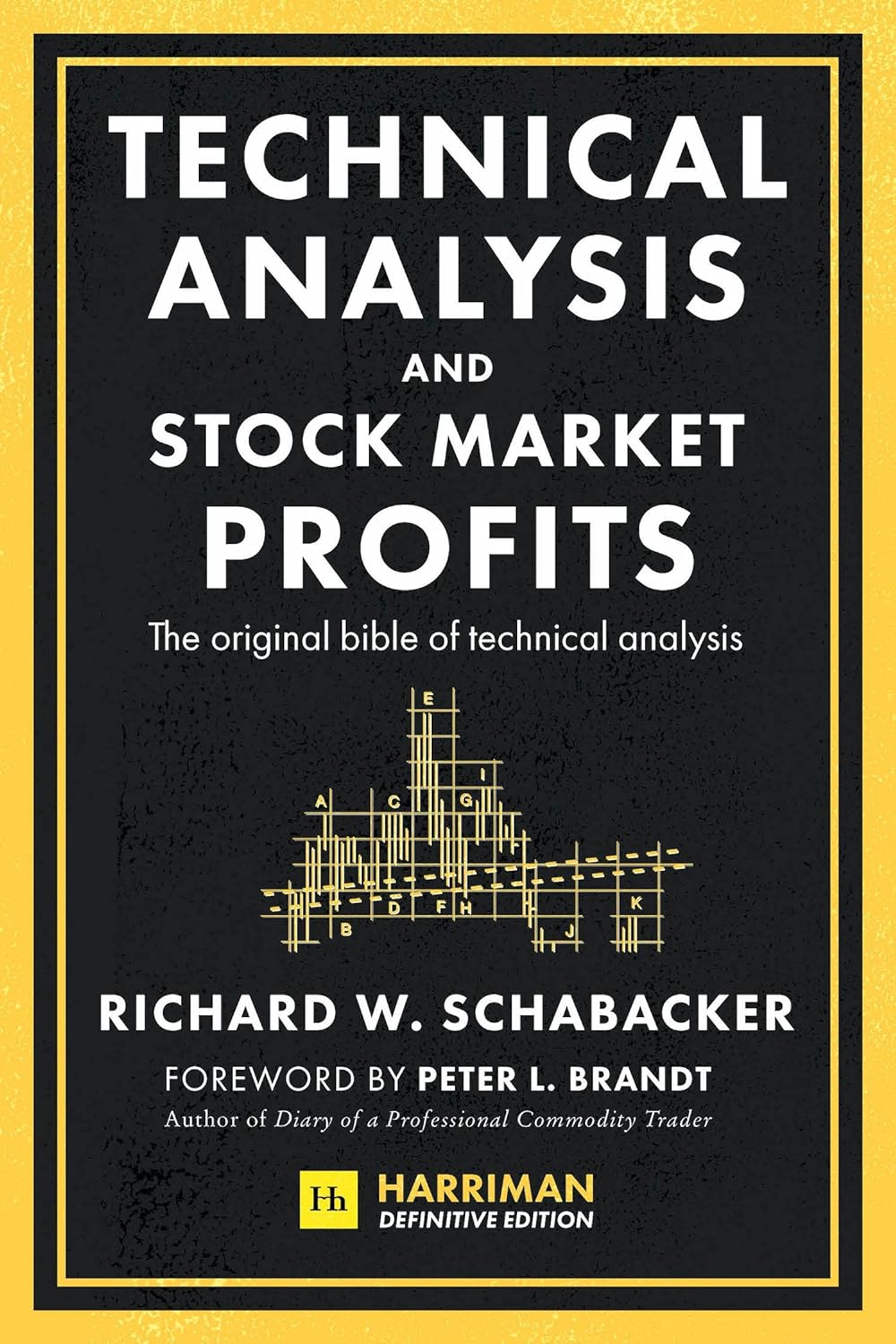
Technical Analysis and Stock Market Profits
You’ll find this one feels like a return to basics — the kind of book you read slowly and then keep within arm’s reach. Schabacker lays out chart patterns, trend behaviour, support and resistance, and volume in a clear, organised way.
Read a chapter with your morning coffee to sharpen how you read charts, use its examples when you’re planning a trade, or return to it before major rebalances or market swings. It’s especially handy when you want to rely more on price action and less on noisy indicators. If you want a timeless reference that helps you spot patterns in live charts and discipline your entries and exits, this is a very solid pick.
What People Say
Readers appreciate its clear, methodical explanations and say it still translates to modern trading — especially if you want to focus on price action and pattern recognition.
Overall Sentiment: Positive

🗣️ A. Niel
A classic that still teaches chart pattern analysis clearly — shows how to use price action alone and drop ineffective, lagging indicators. Great for building confidence in real trading.
🗣️ Dillon
Dense but practical — applying the methods helped me grow my portfolio 27% trading one ticker while risking about $200 per trade. Useful for both long and short setups.
What You Learn
You’ll learn to recognise classical chart formations, read trends and support/resistance, interpret volume context, and apply pattern-based entries and exits rather than relying solely on modern indicators.
Skill Level
Intermediate to advanced
Pace
Steady — study and practice over weeks; not a quick-fix guide but one that improves decision-making over time.
What You Get
- Timeless coverage of chart patterns, trends and volume
- Teaches price-action trading you can apply to real charts
- Organised, textbook-style presentation ideal for study and reference
- Helps replace noisy indicators with clearer pattern-based rules
- Useful for both routine review and big portfolio decisions
Current Price: £40.84
Rating: 4.6 (total: 142+)
🕯️ Best Candlestick Guide

The Candlestick Trading Bible
If you want a clear, no-nonsense way to read candlesticks and actually use them, this book is written like a coach sitting beside you. You’ll get pattern breakdowns, risk-control templates, journaling routines and a step-by-step method you can apply to stocks, forex, crypto or commodities. Use a chapter for your morning prep, keep the printable cheat sheet by your screen for quick entries, or run the trading-plan blueprint when you’re stepping into a bigger position or preparing for earnings season.
It’s approachable enough to get you moving fast, but structured so you’ll build a repeatable process rather than guessing.
What People Say
Readers say it turns vague chart patterns into a practical workflow you can use every day, helping you trade with more discipline and clarity.
Overall Sentiment: Positive

🗣️ Anthony Fallon
Covers 30+ candlestick patterns and links them to market psychology, risk management and trade journaling — practical across stocks, crypto, forex and commodities.
🗣️ Marc Lalas
Gave me checklists and routines I actually used — one reviewer applied an engulfing setup on EUR/USD (4‑hour) and reported real, repeatable results (week examples showed gains of $2,134 and $4,359).
What You Learn
You’ll learn to recognise 30+ candlestick patterns in context, apply pre-trade and post-trade routines, size positions sensibly and keep a journal that helps you improve over time.
Skill Level
Beginner to intermediate
Pace
Practical — you can pick up useful setups quickly, but expect weeks of practice to make them consistent in live trading.
What You Get
- Clear, practical system for reading candlesticks and price action
- Includes risk-management tools, trade journal and checklists
- Printable cheat sheet and editable trading-plan blueprint
- Works across multiple markets: stocks, forex, crypto and commodities
- Bonuses (toolkits and prompts) help turn theory into repeatable routines
Current Price: £23.99
Rating: 4.4 (total: 47+)
🔰 Best Beginner Investing
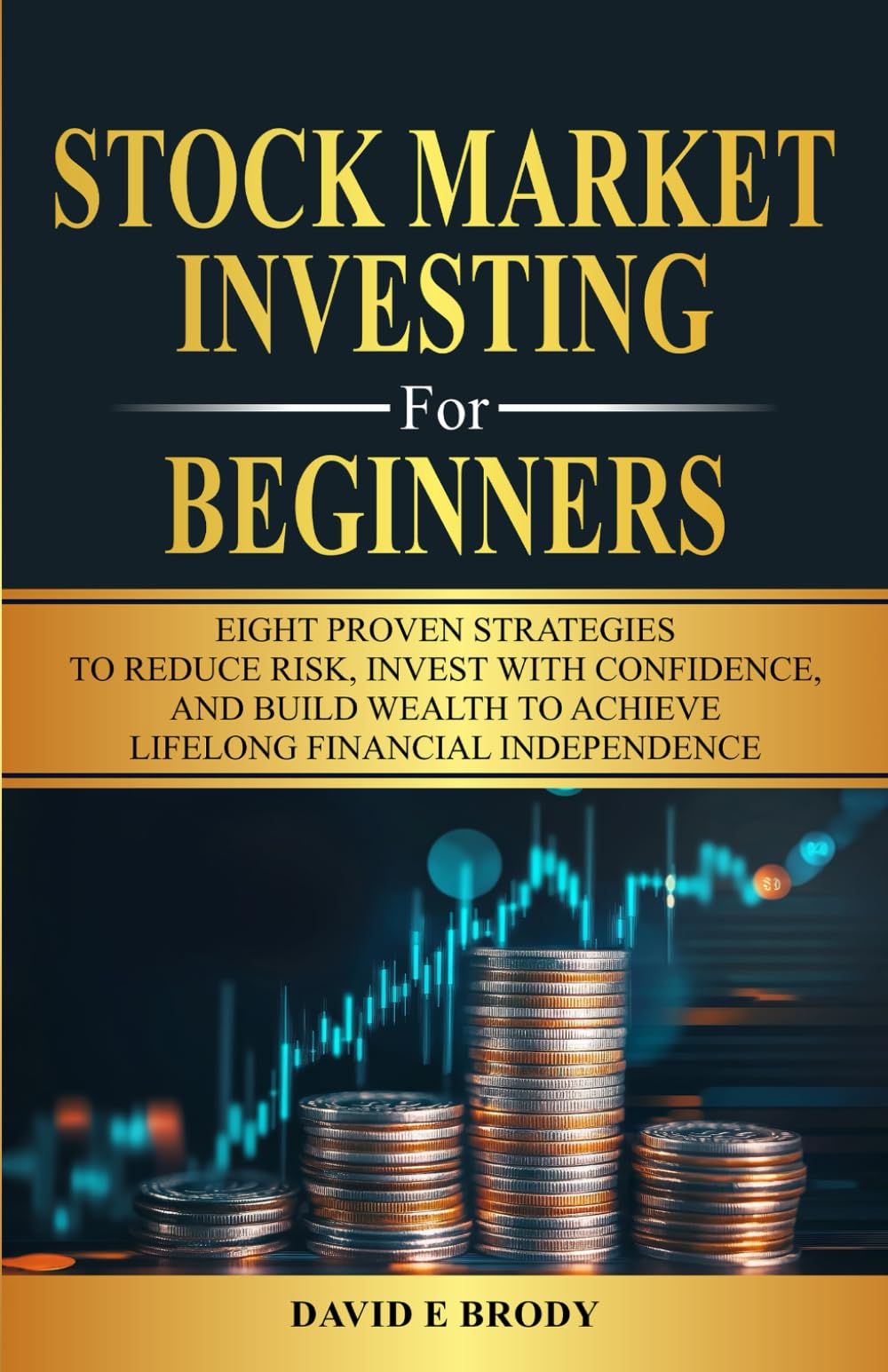
Investing For Beginners
Think of this as a compact coach that holds your hand through the first steps of investing. You’ll get eight clear principles that help you open a brokerage account, size positions sensibly and protect yourself from the common pitfalls that scare new investors. Use it for day-to-day decisions — like deciding whether to add a small position or reinvest dividends — and also for bigger moments, such as planning tax-efficient withdrawals or preparing for a market downturn.
The tone is plain and practical, so you can turn a chapter into an action list and start building confidence without overthinking. If you want a simple, structured road map to get started and keep going, this is an easy pick.
What People Say
Readers find it approachable and practical, praising the way it breaks investing into clear, achievable steps that build confidence.
Overall Sentiment: Positive

🗣️ E
An engaging read that makes investing far more accessible, simplifying concepts and outlining achievable steps you can actually follow when starting out.
🗣️ Gean C. Junginger, Jr.
An excellent basic guide for beginners that lays out the fundamentals of stock market investing in a clear, usable way.
What You Learn
You’ll learn how to start with any budget, set up a brokerage account, apply basic risk controls, read financial statements at a high level, and use dividends to build passive income. The book focuses on actionable rules rather than theory, so you can apply ideas quickly.
Skill Level
Beginner
Pace
Fast to grasp — you can apply simple steps straight away, though meaningful portfolio progress takes consistent action over months and years.
What You Get
- Eight proven strategies focused on risk reduction and long-term growth
- Step‑by‑step guidance for opening a brokerage account and getting started
- Practical risk-management techniques and diversification advice
- Coverage of dividends, passive income and simple tax-aware tips
- Glossary and real-world examples to make concepts easy to apply
Current Price: £12.00
Rating: 5.0 (total: 5+)
📘 Best Overview

Stock Market 101
If you’re starting out or just want a tidy refresher, this updated edition is written like a patient friend who explains the market without the jargon. You’ll find clear definitions, short lessons and real examples that make topics like bull and bear markets, dividends and margins easy to grasp.
Use it day-to-day when you’re deciding whether to add a small position, follow dividend strategies or read a company statement. Pop it in your bag for a commute read or crack it open before opening an ISA or planning a bigger investment move.
It’s concise (under 300 pages), practical and easy to turn into a short checklist you can actually use — a solid pick if you want a friendly, no-nonsense guide that gets you trading conversations and decisions faster.
What People Say
You’ll find readers praising how approachable and concise it is — many say it’s the kind of book you’ll actually finish and use to make smarter, more confident decisions.
Overall Sentiment: Positive

🗣️ DaveSincere
Hands down one of the easiest, most informative books on the stock market I’ve read. I found myself reading 25 pages without realising it — super easy to follow, less than 250 pages and full of useful history and practical tips.
🗣️ Amazon Customer
Concise and well written; covers a wide variety of topics (including IPOs) and does a good job of explaining the essentials without overwhelming the reader.
What You Learn
You’ll learn core investing concepts (bull/bear markets, dividends, margins), how to think about portfolio building and basic ways to evaluate stocks. The focus is on practical understanding so you can apply ideas right away rather than getting bogged down in academic theory.
Skill Level
Beginner
Pace
Fast to pick up — the book is concise and structured so you can turn chapters into immediate action items, though real portfolio gains take time.
What You Get
- Plain-language explanations of market basics and terminology
- Compact, easy-to-read format — quick to digest on commutes
- Practical examples and historical context to connect theory to real situations
- Covers portfolio basics, dividends, IPOs and market cycles
- Updated edition with current examples and actionable takeaways
Current Price: £9.75
Rating: 4.6 (total: 787+)
🔍 Best Pattern Study
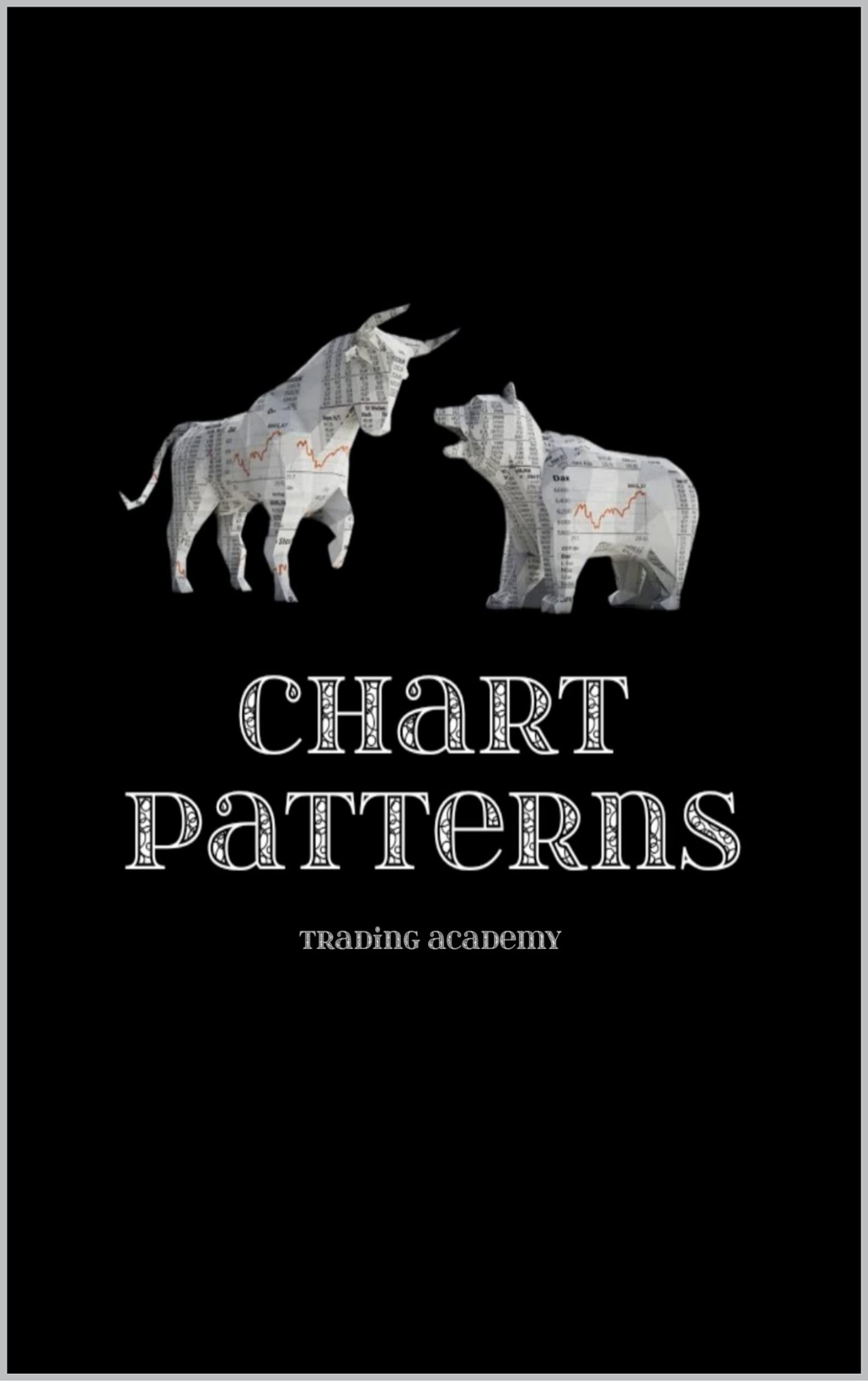
Chart Pattern Study
If you want a short, hands-on primer to recognise chart and candlestick patterns, this is written like a practical notebook rather than a textbook. You’ll get clear explanations of how price bars and volume form patterns, why those shapes matter, and simple setups you can practise on a demo account.
Use it day-to-day as a quick reference when scanning charts, or dig in before an earnings season or volatile market week. It’s only 81 pages on Kindle, so you can read a useful section during a commute and try the examples on your next trading session.
For anyone who prefers visuals and actionable examples over long theory, it’s an easy, approachable next step.
What People Say
Readers value the book’s visual, example-led approach and say it’s a handy reference for spotting setups quickly; a minority feel it’s brief and wanted more depth.
Overall Sentiment: Positive

🗣️ Reader feedback
The book’s summary of candlestick signals and chart patterns makes the learning process straightforward and accessible, with examples you can test on real charts.
🗣️ Kindle reader
Short, focused lessons on pattern recognition that are easy to apply in practice — helpful if you want quick, visual guides rather than long theory.
What You Learn
You’ll learn how common candlestick formations and chart patterns translate into trade signals and practiceable setups. The emphasis is on recognition and practical use rather than deep theoretical models.
Skill Level
Beginner to intermediate
Pace
Quick to pick up — the short format lets you absorb useful patterns in a single sitting and apply them straight away.
What You Get
- Clear, visual explanations of candlestick and chart patterns
- Covers basics through advanced setups in a compact format
- Practical examples you can test on charts immediately
- Kindle-friendly length — quick to read and revisit
- Focus on using OHLC and volume to interpret price action
Current Price: £7.75
Rating: 4.1 (total: 57+)
FAQ
Which Of These Reads And Tools Should You Start With As A UK Beginner?
You should begin by building a foundation rather than jumping into advanced strategies. Start With The Basics: pick an easy-to-read primer like The World’s Simplest Guide (£12.79) or Stock Market 101 (£9.75) so you grasp companies, shares and market structure.
Once you understand the basics, add a practical primer on charts such as Trading: Technical Analysis Masterclass (£4.96) and a simple fundamental book like Fundamental Analysis Essentials (£9.99) so you learn both price behaviour and how to read accounts. If you’re curious about niche areas, Justin Waite’s How To Become A Microcap Millionaire (£15.29, published 3 Dec. 2024) is useful, but treat microcap strategies as advanced — they carry higher volatility and liquidity risk.
Check publication dates and edition notes so the data and examples match current market practice, and pair reading with small, low‑cost practice trades or a demo account to turn knowledge into habit.
How Do You Choose Between Technical And Fundamental Books And Tools For The UK Market?
You choose based on your goals and time horizon because technical and fundamental approaches answer different questions. If you want to trade short term or identify entry/exit points, focus on technical books and tools (for example, The Only Technical Analysis Book You Will Ever Need or Wyckoff 2.0) and learn a charting package that supports volume and order‑flow.
If you’re investing for years, prioritise fundamental analysis (for example, Fundamental Analysis Essentials and Trade Like A Stock Market Wizard) so you can evaluate business quality and valuation. Use Both Complementarily: fundamentals tell you what to buy, technicals help you time it. For UK-specific issues, always consider liquidity (AIM and microcaps behave very differently to large-cap FTSE stocks), broker fees and the mechanics of trading UK securities — and consult a tax adviser about using a Stocks and Shares ISA or other wrappers to improve tax efficiency.
How Can You Use These Books And Tools Practically While Managing Risk?
You use them by turning rules into routine and protecting capital first. Convert book techniques into a simple, testable system: write down your entry criteria, position-sizing rule and stop-loss before you trade, then backtest or demo the approach.
Keep a trading journal so you learn from outcomes rather than emotions. Pay attention to costs — spreads, commission and platform fees reduce returns — and limit exposure to early-stage microcaps which can be illiquid and jumpy. Make risk management non-negotiable: size positions so a single loss won’t derail your plan, use reasonable stop-losses, and diversify across ideas.
Start small, scale only after consistent, documented success, and if you’re unsure about tax or using ISAs, seek professional advice. Books teach what works in principle, but disciplined execution and capital protection are what make it work for you.
Investors Top Picks
When choosing between Microcap Millionaire, Technical Masterclass and Day Trading Strategies you usually focus on how much risk, time and capital youre prepared to commit and whether you want stock ideas, methodological skills or hands-on intraday tactics. You tend to pick Microcap Millionaire for curated small-cap discovery, Technical Masterclass to deepen your trading methodology and pattern recognition, and Day Trading Strategies if you can trade daily and accept higher stress and capital requirements.

Wrapping Up
You now have a compact, practical reading list that covers the full spectrum of UK stock-market needs — from clear beginner primers to advanced technical systems and bear-market planning. Use the picks that match your experience and goals: start with a friendly primer if you’re new, add a fundamentals guide to evaluate companies, then layer technical and strategy books as you trade.
Keep a notebook or trading journal while you study — the real benefit comes from applying one idea at a time until it becomes part of your process.






Post Disclaimer
The following content has been published by Stockmark.IT. All information utilised in the creation of this communication has been gathered from publicly available sources that we consider reliable. Nevertheless, we cannot guarantee the accuracy or completeness of this communication.
This communication is intended solely for informational purposes and should not be construed as an offer, recommendation, solicitation, inducement, or invitation by or on behalf of the Company or any affiliates to engage in any investment activities. The opinions and views expressed by the authors are their own and do not necessarily reflect those of the Company, its affiliates, or any other third party.
The services and products mentioned in this communication may not be suitable for all recipients, by continuing to read this website and its content you agree to the terms of this disclaimer.
Related Posts


Previous Post
Next Post


