
Now Reading: Spiralling Costs Threaten the Viability of Britain’s Takeaway Sector
-
01
Spiralling Costs Threaten the Viability of Britain’s Takeaway Sector
Spiralling Costs Threaten the Viability of Britain’s Takeaway Sector
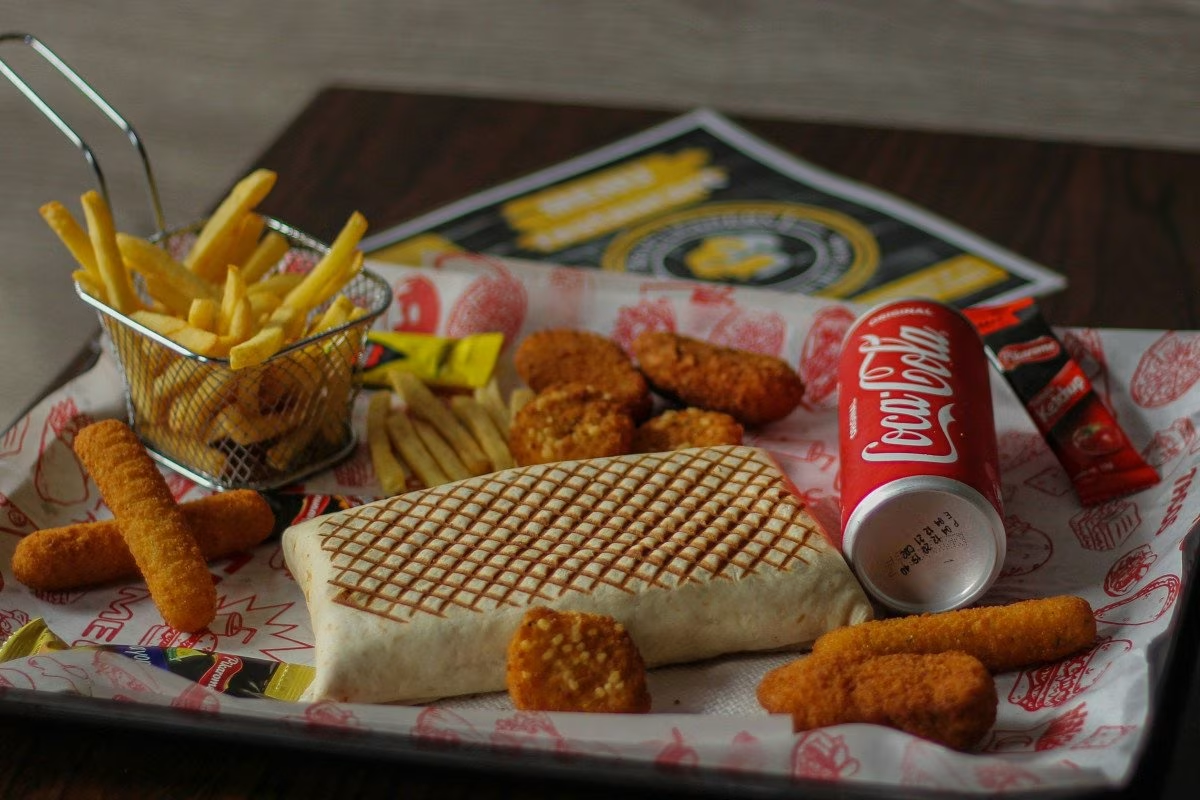
In the gripping narrative of Britain’s economic landscape, the fast-food sector, particularly takeaways, finds itself in a perilous situation. The struggles of this industry have come to the fore, driven by escalating operational costs and intense competition. For many takeaway establishments, once seen as the epitome of convenience dining, the fabric of their existence is now tattered, with hundreds reportedly succumbing to financial pressures in the past year alone.
The catalyst for this disquieting trend is twofold; soaring employment costs coupled with unprecedented food prices have put immense strain on these businesses. In a time marked by increased pay demands from staff seeking to navigate the cost-of-living crisis, restaurants and takeaways are grappling with their own bottom lines. With wage inflation running high, establishments are caught in a tight squeeze, forced to either pass these expenses onto consumers or absorb the costs, often to the detriment of their profitability.
According to recent reports, many owners have either scaled back their operations or, regrettably, closed their doors for good. The once vibrant streets, filled with the comforting aroma of fried food and spices, are now punctuated by ‘for sale’ signs and shuttered windows, a stark reminder of the unrelenting economic upheaval gripping the nation. The takeaway has always been a fixture in British life, a go-to option amidst busy schedules and social gatherings, yet this sector’s fragility is becoming increasingly apparent.
The implications extend beyond mere convenience. Takeaways are woven into the social fabric of communities, often serving as local cornerstones that contribute to the economy and provide employment to thousands. The collapse of these beloved businesses not only signifies individual losses but also hints at a larger, systemic failure within a market struggling to adapt to rapid change. With disposable incomes falling and consumer confidence waning, the appetite for takeaway dining may dwindle just as swiftly as the sector’s stability.
They say necessity is the mother of invention, and this crisis has prompted many takeaway owners to explore innovative solutions. Some have diversified their offerings, pivoting towards healthier options or extending service hours to cater to an increasingly discerning clientele. Others have turned to technology, enhancing their online presence and utilising food delivery apps to streamline operations and improve efficiency. However, while such adaptations can create temporary relief, they do not erase the fundamental challenges that threaten long-term sustainability.
The government’s role in navigating this storm is crucial. Amid rising energy costs and inflationary pressures, industry insiders are calling for more substantial support from policymakers. A rejuvenation of financial assistance for small businesses could provide a necessary lifeline, allowing the takeaway sector to weather the storm. Measures such as grants, tax relief, and targeted support can help maintain the spirit of entrepreneurship that defines modern Britain.
Moreover, stakeholders within the food supply chain must collaborate to find solutions that will mitigate rising costs. Partnerships with local producers can foster a sense of community while reducing transportation expenses. By prioritising sustainability, not only can takeaway businesses develop a more resilient supply chain, they can also align with consumers’ increasing preference for environmentally conscious choices.
This moment in time offers a critical inflection point not only for the takeaways but for the wider food industry. As operators face a landscape that is both unforgiving and unpredictable, resilience emerges not merely as a concept but as a necessity. The imminent question remains whether the essence of the takeaway, emblematic of vibrancy and community, can withstand the forces reshaping the economic realities of our time.
Although the situation appears daunting, one cannot overlook the British spirit of adaptability. There lies a profound understanding within communities of the significance of takeaways, serving as both an accessible meal option and a cultural touchstone. As Britain battles through the trials wrought by economic volatility, the hope is that the resilience inherent in its people and their businesses will find a way to flourish anew, even amidst dire circumstances. It remains to be seen how the takeaway sector will navigate this tumultuous period, but perhaps the resurgence of community engagement will be the cornerstone of its revival.
The path ahead may be fraught with challenges, but the inherent value of these establishments should not be underestimated. To preserve the quintessential British takeaway, dialogue between businesses, consumers, and governmental bodies must be nurtured to foster a supportive network that promotes longevity and innovation. It is a collective responsibility, and the consequences of inaction could be irreversible.
Thus, as the story unfolds, it becomes clearer that a profound reckoning lies ahead for the takeaway sector. The choices made today will shape the contours of the culinary landscape in the coming years. We stand on the cusp of a significant transition, where both the plight and the possibility of the takeaway industry reflect broader truths about resilience in British society.
Post Disclaimer
The following content has been published by Stockmark.IT. All information utilised in the creation of this communication has been gathered from publicly available sources that we consider reliable. Nevertheless, we cannot guarantee the accuracy or completeness of this communication.
This communication is intended solely for informational purposes and should not be construed as an offer, recommendation, solicitation, inducement, or invitation by or on behalf of the Company or any affiliates to engage in any investment activities. The opinions and views expressed by the authors are their own and do not necessarily reflect those of the Company, its affiliates, or any other third party.
The services and products mentioned in this communication may not be suitable for all recipients, by continuing to read this website and its content you agree to the terms of this disclaimer.
Related Posts


Previous Post
Next Post

